Hurricane and Storm Prep Tips for New Jersey Homeowners
A checklist you can finish in an afternoon, before the forecast turns.
October 20, 2026 · 4 min read
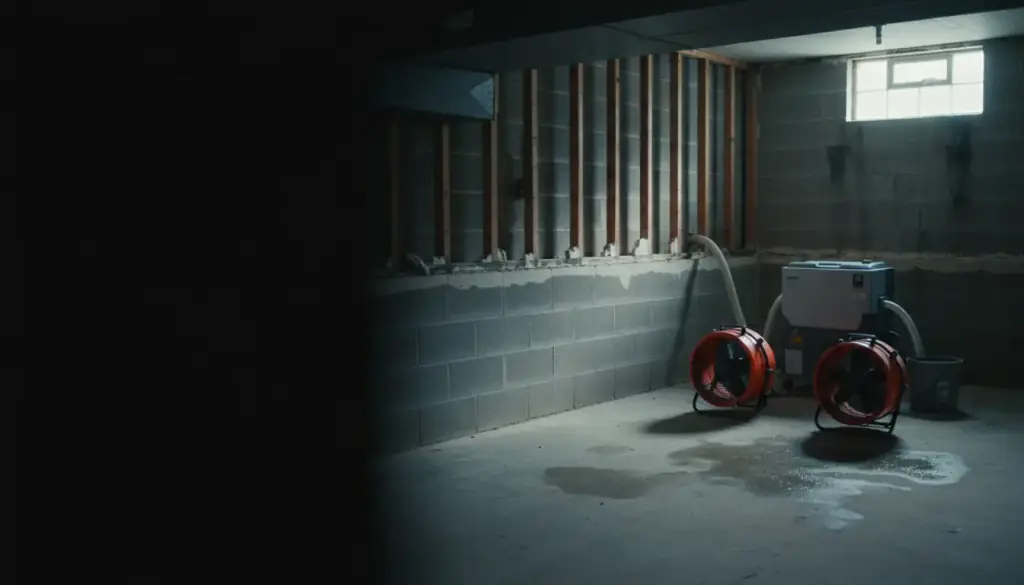
Remnants of tropical storms and hard nor'easters have pushed water into New Jersey basements again and again. The homes that come through best usually aren't the ones with the newest roofs. They're the ones where somebody spent an afternoon on the boring checks before the forecast turned. These are the Hurricane and Storm Prep Tips we'd give a neighbor, in the order we'd do them.
Test your sump pump now, not during the storm
If you have a sump pit, lift the lid and look. Clear out silt, gravel, and anything that fell in. Then pour a few gallons of water into the pit. The float should rise, the pump should start, and the water should leave through the discharge line quickly. If it hums but doesn't move water, or never starts, you've learned that on a dry day, which is the cheap way to learn it.
Check where the discharge line ends. It should carry water well away from the foundation, not dump it beside the wall where it can flow right back to the pit. Look for a check valve on the line too, so water doesn't drain back in after each cycle. Most important, remember that a pump runs on household power. When the lights go out in a storm, a standard pump stops. A battery backup is something to ask a plumber about before hurricane season, not after the first outage.
Gutters, downspouts, and the ground around the house
Most basement water starts outside. Clear the gutters of leaves and shingle grit so water goes where it's meant to go. Make sure each downspout releases several feet from the house, using an extension if it empties at the foundation. Then walk the perimeter and look at the soil. It should slope away from the walls, not toward them. A low spot beside the foundation, a settled patio, or a flower bed that holds water all send moisture to the same place.
- Clean gutters and check that the joints and corners aren't pulling away.
- Extend downspouts so they drain well clear of the foundation.
- Fill low spots beside the house with soil that slopes away.
- Clear window wells of debris and check the covers.
- Look at basement window seals and any cracks in the foundation wall for daylight or staining.
- Bring in patio furniture and grills, and anything else loose enough to become a projectile.
Document your belongings before the storm
Nobody wants to build an inventory after losing the things on it. Take twenty minutes with your phone and walk through every room, opening closets and drawers while you narrate what you're seeing. Don't skip the basement, garage, and attic, where storage boxes tend to hold more value than people expect. Photograph serial numbers on electronics and appliances, and make a separate note of jewelry, tools, instruments, and anything you still have a receipt for.
Save the video somewhere that isn't in the house, such as cloud storage or an email to yourself. Then look at your policy declarations page, or call your agent and ask directly how your policy treats water that comes in from outside compared with water from a burst pipe. Those can be handled differently, and it's far better to know now than to find out in the middle of a claim.
Raise what you can and pack a basic kit
Lift what you can off the basement floor. Even a few inches on shelving or pallets can keep a small amount of water from becoming a loss. Move important papers, photos, and electronics to an upper floor. Charge phones and battery packs, keep flashlights and a battery radio handy, and store medications, drinking water, and copies of your key documents together.
Write down the number for your insurer and for restoration help, and put it where everyone in the house can find it. Ours is (201) 204-9700. A number you have to search for at midnight, with no power and a dying phone, is a number you won't find.
Once the storm passes
Safety comes before cleanup. If floodwater is in the basement and the power is still on, don't go down there. Water and live circuits don't mix, and you can't judge the risk from the stairs. Stay away from downed lines and anything touching them. If you're running a generator, keep it outdoors and well away from windows and doors, because exhaust can build up inside a house quickly.
When it's safe, photograph everything before you move it: waterlines, damaged ceilings, wet carpet, roof or siding damage, fallen limbs. Call your insurer to report the loss and ask about their notice requirements, since those come from your policy. Then get drying started. Water that sits inside walls and under floors for a day or two is how a wet basement turns into a mold problem.
Kevin L. of Vernon described what he found after a burst pipe: 'at least three feet of water in the basement.' A storm can leave the same thing behind, and that much water doesn't wait for a convenient weekend.
Keep receipts for any emergency steps you take, like tarping a roof or renting a pump, and save damaged materials until your insurer has seen them or told you otherwise. Don't haul everything to the curb on day one.
Call before the damage spreads
Strategic Source offers 24/7 storm damage restoration for homes and commercial properties in New Jersey, with IICRC Certified Restoration Technicians and always free estimates. We work directly with your insurance. If a storm has already come through, call (201) 204-9700, any hour.
Strategic Source, (201) 204-9700
Call (201) 204-9700More articles
Burst Pipe or Flooded Basement: What to Do in the First Hour
The first sixty minutes decide how much of your home you keep, so here is the order to work in.
Why a Small Kitchen Fire Leaves Smoke and Soot Through the Whole House
The flames were small, but smoke travels, and the cleanup starts with what you don't do.